Monday, May 30, 2016

Practice Ready

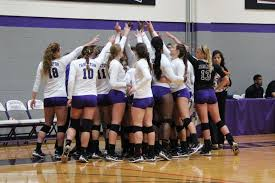
This week we’ll be discussing practices and what they mean to the overall turnout of play. We’ve all heard the expression “You practice how you play”, but what about when practices are excellent and game time is awful? Where or how should that be addressed in practice? As a coach, there should be a time in a practice period where the players are allowed to think about why certain drills are being ran and how to transfer that knowledge of play into the game.


There are a couple of key facts that will help our players in practice to game transfer.
  • Reading the situation and analyzing what skill to use.
  • Preparing to use that skill in order to have the best outcome.
  • Executing that skill with proper technique and form.
  • Making sure that practices are age and skill appropriate.


As a coaches, the drills we give should in some way prepare our players to easily transfer these skills into the game and eliminate doubt and confusion. We want our players to be able to coach themselves on the court. I was told a quote from one of my mentors, “Practice is where a coach earns their pay, but games are where a player shows their worth.” Meaning, you as a coach should prepare your player in practice so that you will not have to coach them on the court and they can show their skills and understanding in a game.

Lastly, while preparing for a practice make sure you address where activities and drills will fit in with overall goals of your program and if they will effectively improve performance, technique, transferring these set skills into game play. Remember, practices are not effective if skills and techniques can not be transferred. Players should move in such a way that seems effortless when it comes to this element, and that is when you know as a coach you found a good fit in practice.


References

Sports, S. N. (2015). Incorporating Game Situations Into Player Development.
White, J. (2016). Planning Purposeful and Pertinent Practices.

   

Monday, May 23, 2016

A Coach's Philosophy

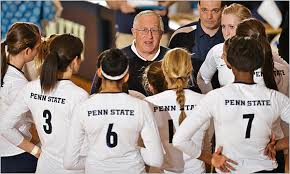
What is a philosophy and why should every coach have one? A philosophy is the foundation of your program that will not only guide you and your staff, but it is what your athletes will have to build on, depend on, look up to, and strive for. When you are creating your philosophy make sure that you have considered not only what you want your program to be built on, but how it will mold your athletes to be not only an athlete, but a well rounded human being as well.

There are a couple of key elements that I believe a coach shall include in their philosophy.
  • Make sure your goals are crystal clear. This goes for everyone involved in your program; administrators, staff, athletes, parents, etc. There should be no question as to what you expect from your program.
  • Have an open door policy. Allow your athletes to come to you when they are in situations that they have no control over. However, make sure there is a professional standard that is met and not crossed.
  • Include your coaching staff. Be clear that everyone is on the same page, have the same goals for the athletes and the program.
  • Maintain focus on the bigger picture. Even though some things in your original plan may change or not work out, keep your eyes on what your ultimate goal is.


In addition to these elements, a coach must be human. Remember that even you will make mistakes and stay humble to those around you. One important characteristic of a great coach is knowing when things are not working and can admit that a change is needed. A coach’s initial philosophy should change as they gain experience and relationships. Allow your philosophy to grow with you as a coach.

These points are not just for someone coaching volleyball, this is for a coach in general.  Creating and maintaining a successful program starts from a good foundation and the ability to adapt your coaching methods to the needs of your athletes.

References:
18 core principles in developing a coaching philosophy. (2003). In M. Gutherie, Coaching Track & Field Successfully.

2Elaine Roque, P. V. (2001-2012). Volleyball Coaching Manual. 7.